Deciding What Not to Hand Over
Panelist
Opening panel, day two. Theme: Human Skills in an Autonomous World.
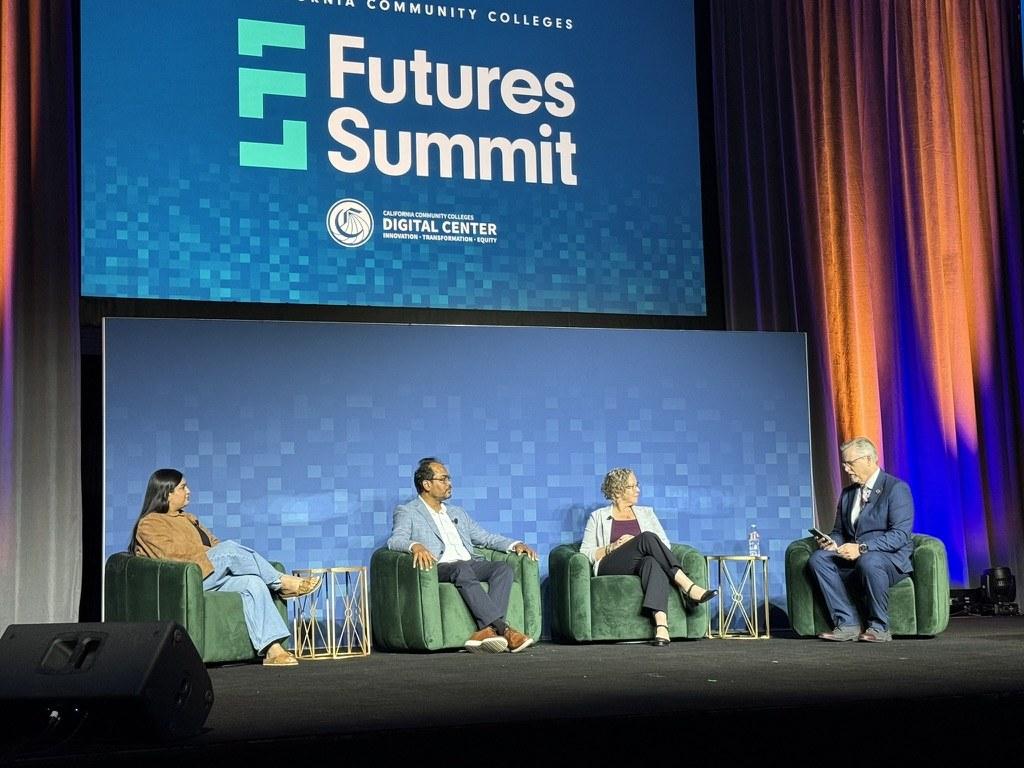
The moderator opened the second morning by asking each of us to name, in one sentence, the human skill that has become more valuable over the past year. I answered in four words: deciding what not to hand over. Everything I said after that followed from it.
The common story about faculty and AI is that they are behind and need to catch up. The national data does not show that. It shows three different responses to the same technology, often inside the same college and under the same policy. A little over half have not changed how they assess at all. About a quarter have gone back to blue books and proctored exams. About a quarter have redesigned their assignments around AI.
That is not a skills gap. And the faculty using blue books have noticed something real: the essay stopped telling them what the student can do. They are right about the problem. The trouble with a blue book is that it protects the whole assignment, when only one part of it was doing the teaching.
So the question I put to the room was this. Take one piece of an assignment away and ask whether the student still learned what you wanted them to learn. If the answer is no, that is the part to protect, and AI can have the rest. In a nursing course it is deciding which symptom matters most, not formatting the care plan. Only the instructor can make that call, and it gets made one assignment at a time.
I closed with the part I am least certain about. Most of what we know about designing this way was worked out with selective, full-time students. Whether it holds when students are working, commuting, and enrolled part time is an open question, and it is the one I most want to work on next.