About
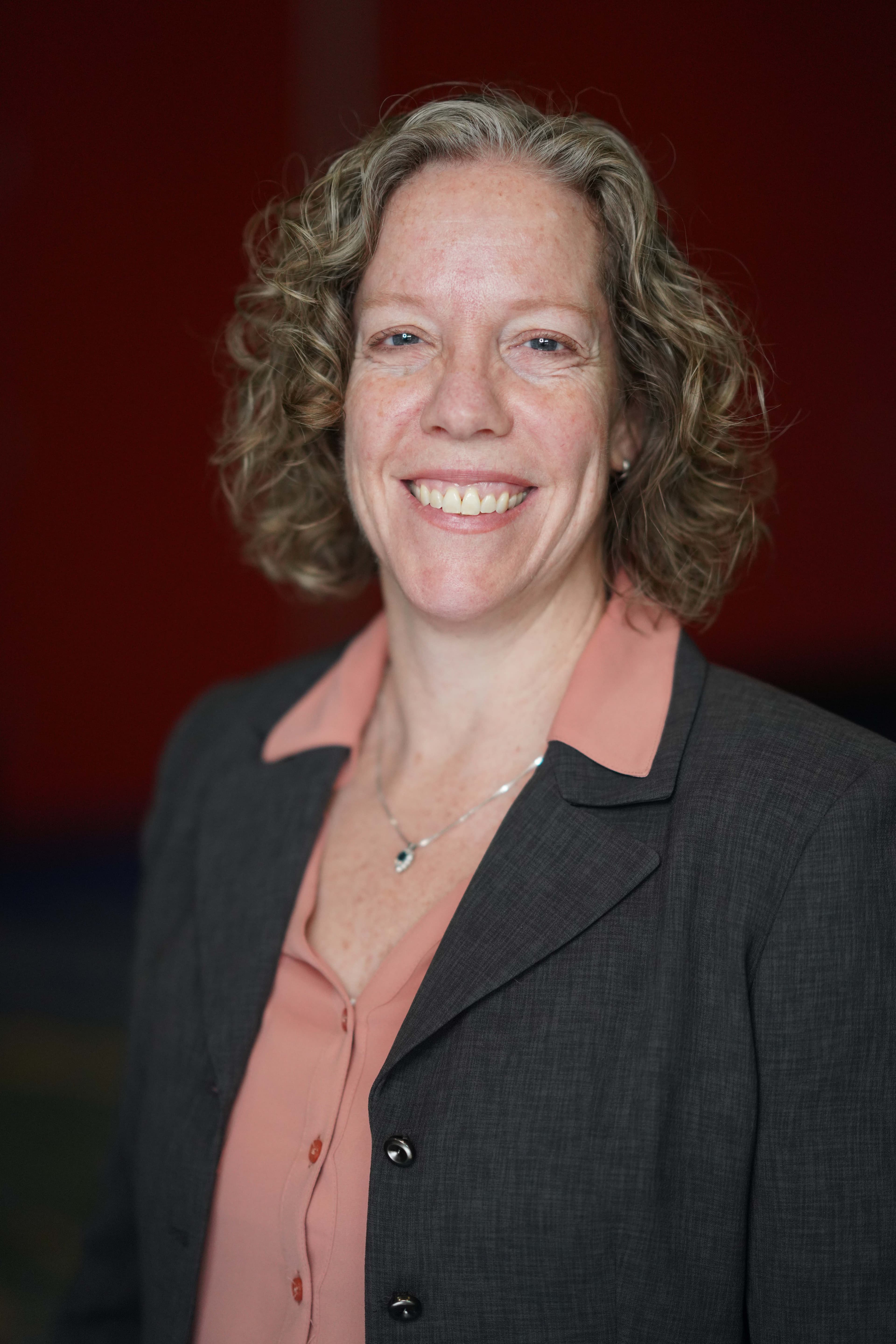
Susan Adams
I'm Susan Adams, an educator, facilitator, and program designer based in the Front Range of Colorado. My work sits at a specific intersection: helping people and organizations adopt AI so they expand their agency and do their most creative work.
As AI becomes part of how we think, learn, and work, I care most about whether people stay the authors of their own minds while they use it. Researcher Helen Edwards calls this cognitive sovereignty. My contribution is the pedagogy: a replicable practice for building and keeping it, so that working with AI makes your own reasoning more visible to you. Show people what AI actually makes possible, then turn them toward their own thinking. That pairing is the through-line in everything I do, whether I'm teaching undergraduates, coaching faculty, facilitating a learning lab for women, or advising an organization on strategy.
I come at this as a practitioner. I was invited to design AI and Professional Practice for the University of Denver's College of Professional Studies and taught its inaugural offering, an experiential, ethics-centered course for working adults. Ethics is where I start. I treat it as a creative constraint and begin from the values people already hold.
As Associate Director of Teaching and Learning at Achieving the Dream, I coach community college faculty across a national network on teaching in the age of AI.
At CU Boulder's Division of Continuing Education, I co-designed and co-led a year-long faculty development program for a cohort of seventeen instructors building AI literacy inside their own disciplines. Much of that work was facilitation. It meant sitting with people in real resistance and helping them move toward something they could believe in and teach. What came out of it was theirs: peer verification in economics, labor-based grading in writing, clinical guardrails in nutrition. At DU I convened AI with Integrity, a public panel and workshop with the Daniels College of Business and the Center for Ethical AI, bringing industry, workforce strategy, and ethics into the same room around a single question. Designing rooms where people work through hard questions in front of each other is the part of this work I most want to keep doing.
I founded and lead Women in AI Colorado and its education arm, Women in AI Labs, where a peer-led model builds AI fluency and confidence in trusted community. The labs run as live learning spaces: small groups surface their real patterns of practice with AI, so the student experience becomes the curriculum.
I serve on the executive advisory board of the Rocky Mountain AI Interest Group, one of the region's largest AI communities, where we're building a speakers and facilitators bureau. With monthly meetups drawing more than 200 people, we shape programming around the questions that matter most right now: workforce development, AI for good, and the real-world impact of this technology. I am also Co Board Leader-elect at GlobalMindED, a national network connecting educators, employers, and first-generation students, where I advise on AI strategy.
Twenty years in learning design and organizational transformation taught me where adoption actually lives: in the human layer. The judgment, the confidence, the community, and the strategic clarity that turn access into real change. That is the layer I build.
I speak nationally on AI and learning, and I write at Letters from an AI Classroom, where I work out what I’m seeing in real classrooms. I stay close to the policy conversation too, from state governance questions to national efforts to scale AI readiness.
The conviction underneath all of it is simple: this moment is still shapeable, and we get a hand in shaping it. My work is helping people take that hand and adopt AI with the agency, responsibility, and creative intent to build the lives and work they actually want.